














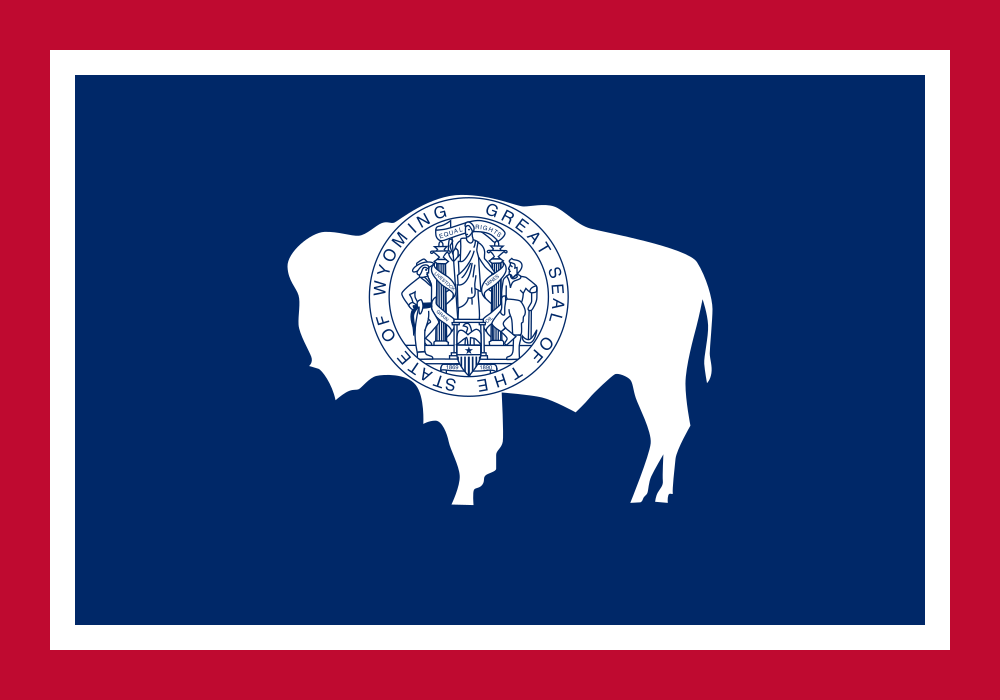
Browse all 50 state flags as a visual reference collection. Search by state name, compare the pictures and build an observation notebook before following the link to the US State Flags quiz.
Use the gallery as a comparison laboratory
The search box filters state names, not colours or symbols. Type a complete name such as Arizona, or a shared part such as New to bring several state names into view. Clear the box to restore all 50 cards. Each card has a flag image and its state name; this gallery does not ask you to select an answer.
Begin with a large feature you can see without reading tiny lettering: the outline, background, stripe arrangement or central shape. Then check a second feature. Write observations before looking for a historical explanation. This page is for slow side-by-side investigation; the linked quiz is the place to test recall.
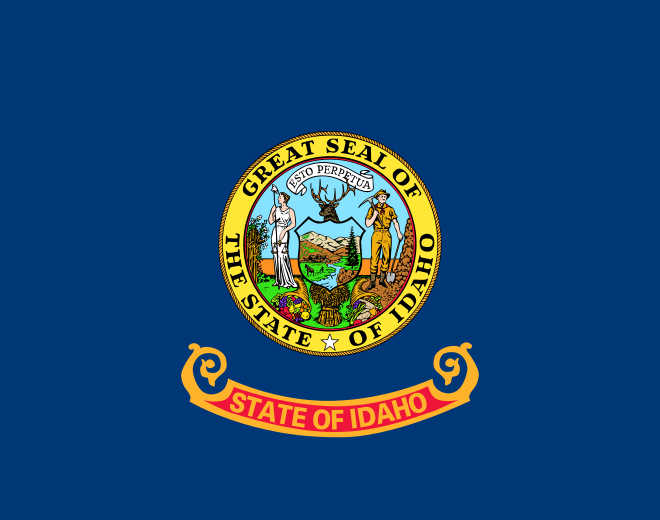
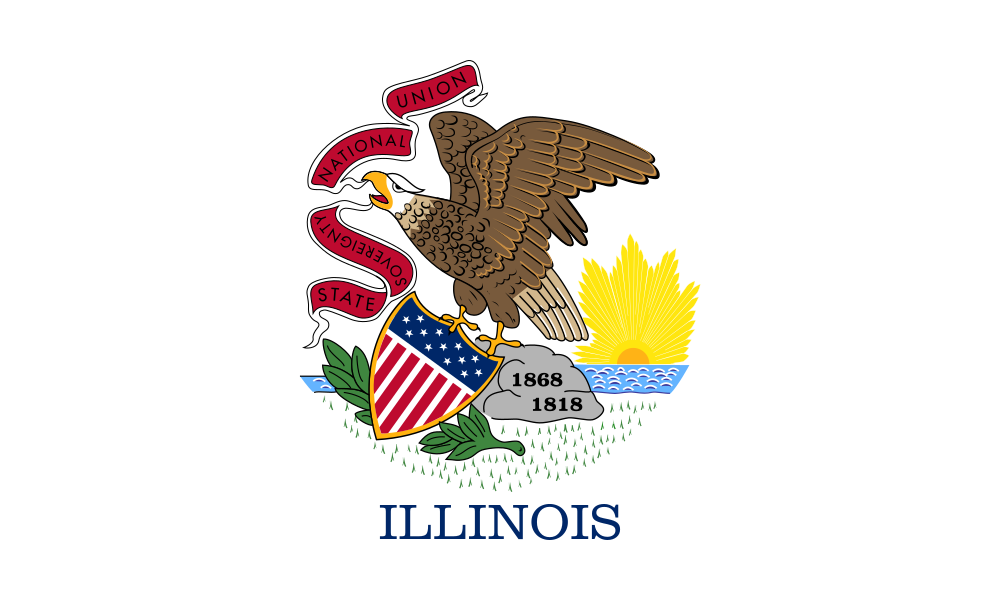
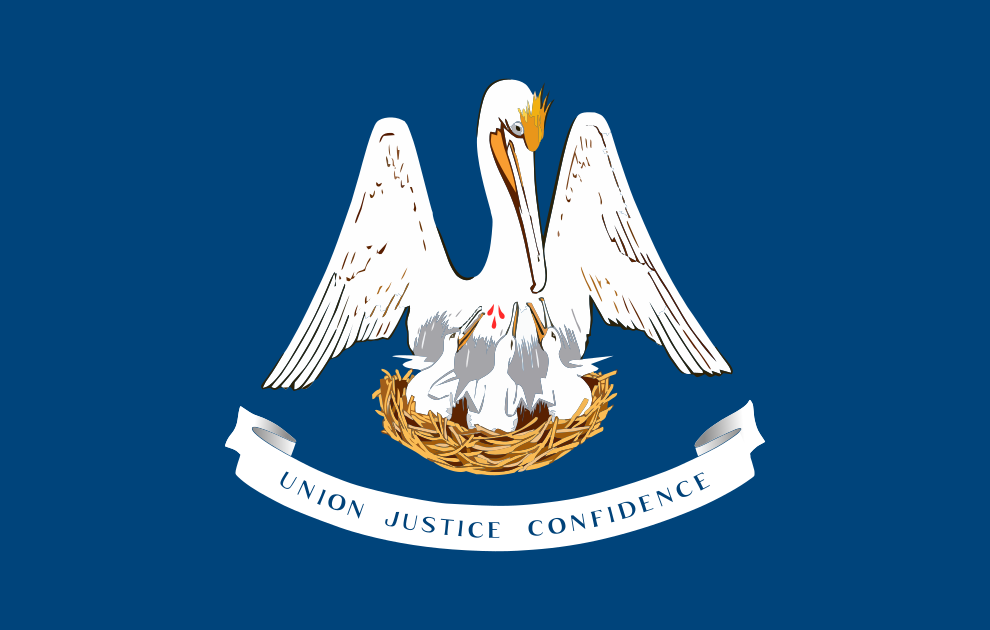
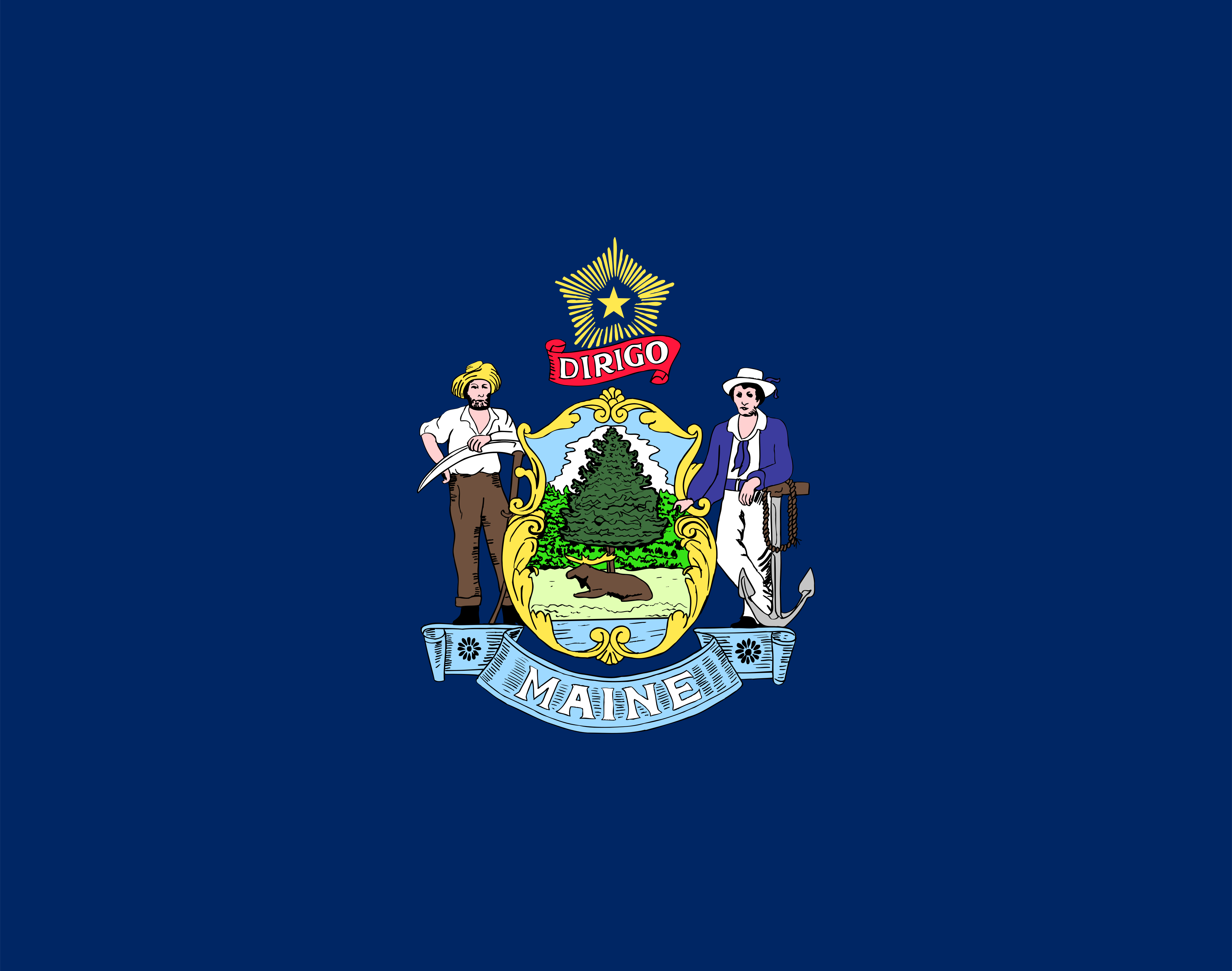
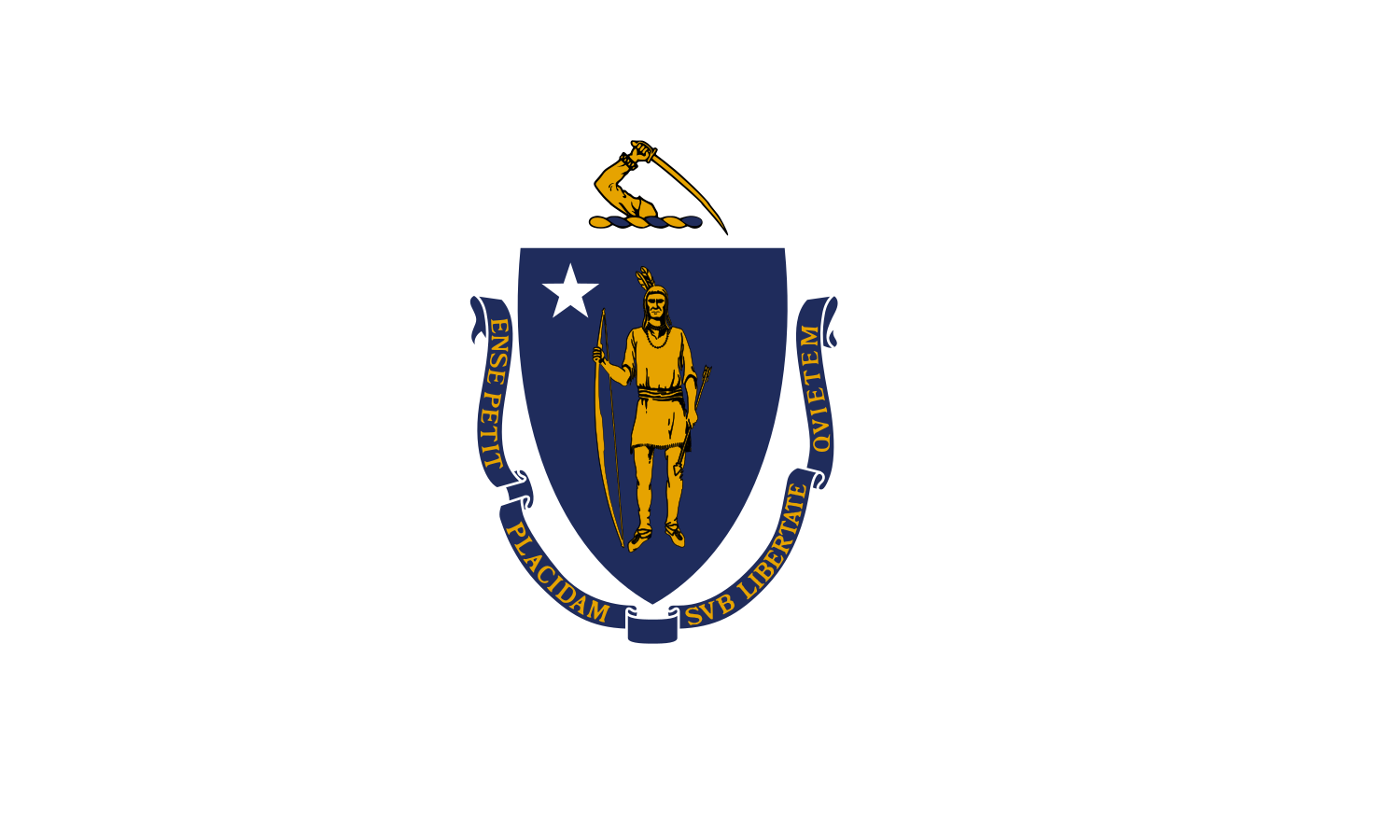
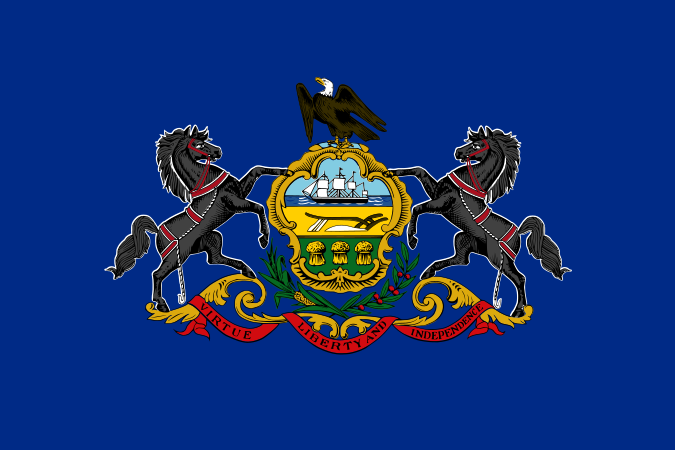
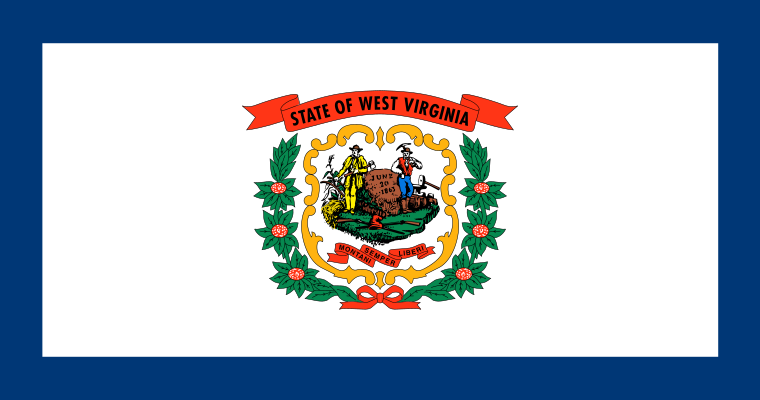
A field is the background of a flag. A seal is an official emblem, often containing a detailed scene and writing. Seal-on-blue is a very common state-flag pattern, so a blue background alone is a poor identifier. However, blue does not always mean a seal: Alaska has stars on blue.
A first-look checklist for distinctive designs
Search each state name to inspect its card. These are design observations, not claims about what the colours mean.
| State | Inspect first | Use this second clue |
|---|---|---|
| Alaska | Gold stars on blue | Seven form the Big Dipper; the separate star is the North Star. |
| Arizona | Red and yellow rays above blue | A copper-coloured star overlaps the centre. |
| Colorado | Red C on blue and white bands | A gold disc sits inside the C. |
| Maryland | Four patterned quarters | Black and gold alternate with red and white. |
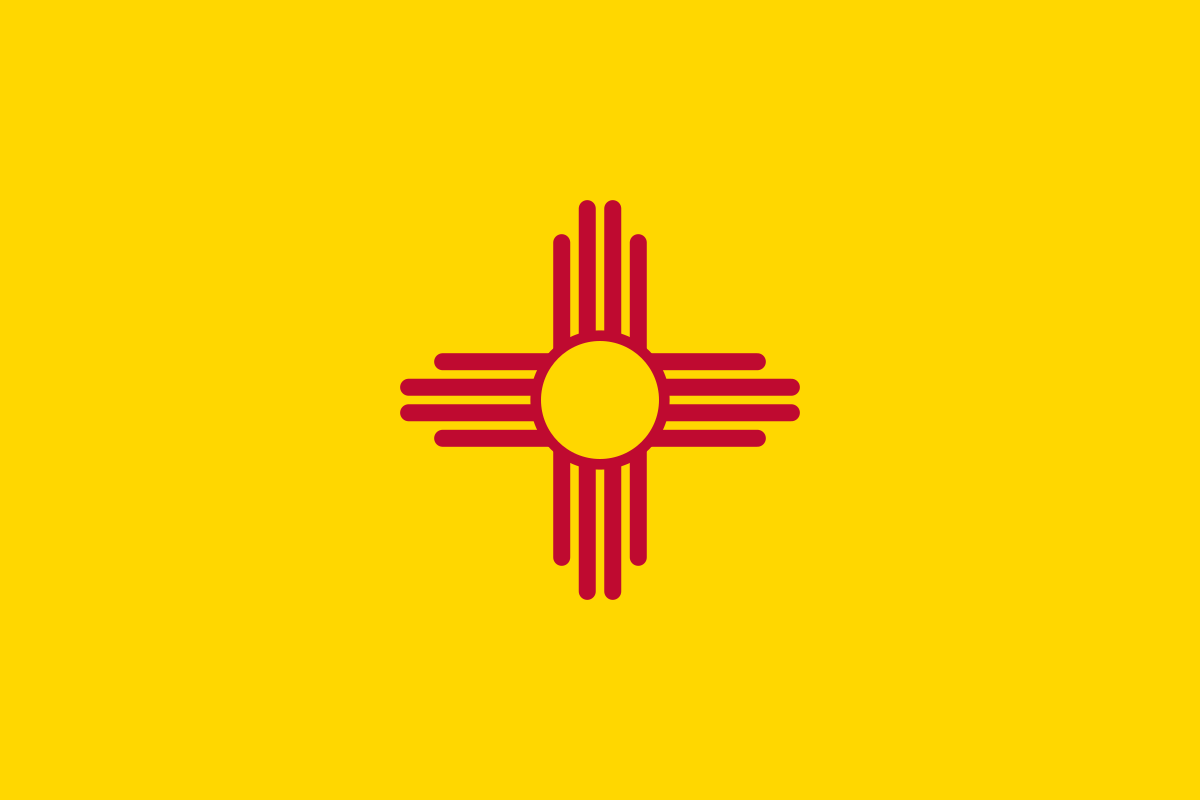
| New Mexico | Red sun symbol on yellow | Look for grouped rays around the central circle. |
| Ohio | Swallow-tailed pennant shape | A red disc sits inside a white ring in the blue triangle. |
| Texas | A vertical blue panel | One white star beside white-over-red horizontal bands. |
| California | A walking bear on white | Read California Republic above the bottom red stripe. |
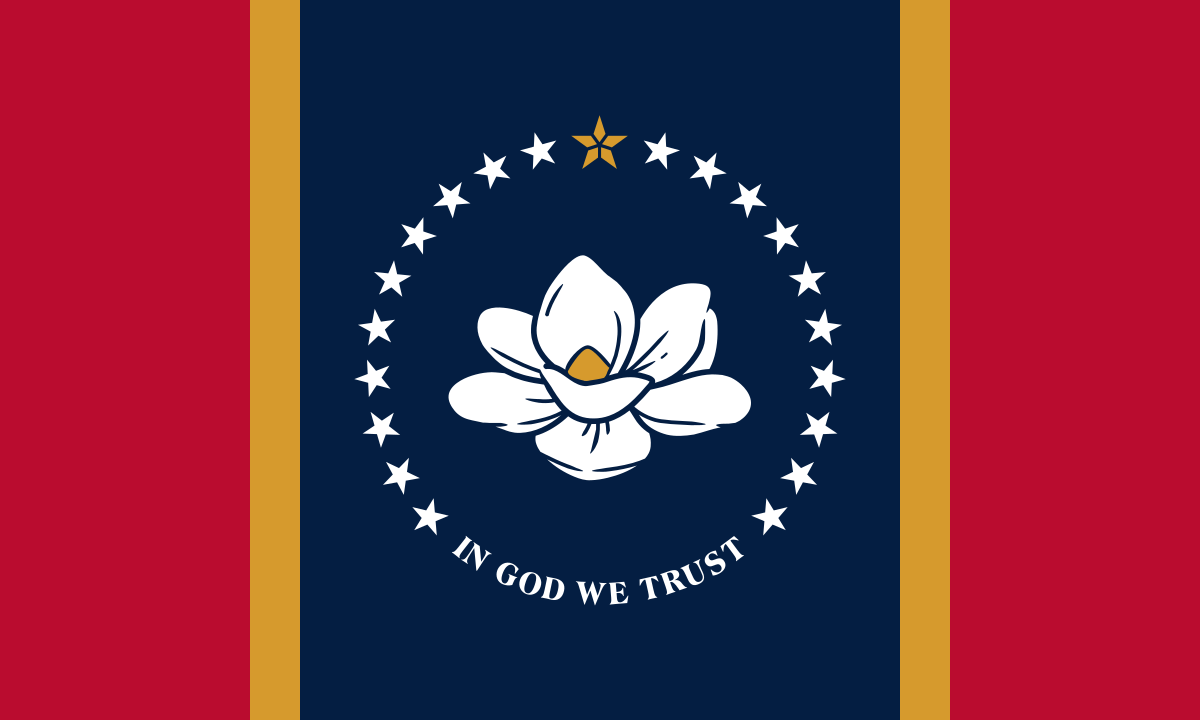
| Mississippi | A central white magnolia | The flower is surrounded by stars on blue. |
Distinguish the busy blue flags
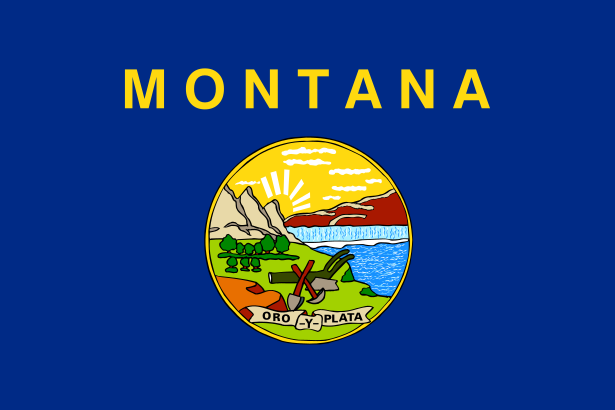
Search Kansas and inspect its central seal, the sunflower above it and the large state name below. Then search Montana: its name appears above the central seal. Both have blue fields, but reading the word and noticing its position is more dependable than guessing from a similar shade of blue.
Search Connecticut and notice the shield-shaped centre; compare it with the more rounded central emblem on Kentucky. Record the shape of the emblem before trying to describe every small figure. At this gallery's card size, fine details may not be readable. Use browser zoom or a larger official reference rather than inventing what a tiny mark represents.
Make a small evidence checklist: Is the name visible? Is it above, below or around the emblem? Is the emblem round or shield-shaped? Are there large extra objects outside it? These clues work together. If a word is blurred, leave that clue blank and keep checking rather than treating an uncertain reading as a fact.
A short history desk: evidence, not invented meanings
Alaska's design came from Benny Benson in 1927. The Alaska State Library preserves his school competition design. Use the history to remember that a child contributed a lasting design, but keep your recognition clue visual: eight gold stars on blue, arranged as the Big Dipper and North Star.
Maryland State Archives explains that Maryland's flag combines the arms of the Calvert and Crossland families. The black-and-gold quarters are Calvert; the red-and-white quarters are Crossland. Arms here means heraldic designs, not a person's arms. This documented family connection explains the contrasting quarters without assigning a made-up meaning to each colour.
New Mexico's Secretary of State identifies its red emblem as the Zia sun symbol on a yellow field, connected with Zia Pueblo. Recognise the central circle and groups of rays, and name the source community respectfully. A state's use of a symbol does not make all Indigenous designs interchangeable.
Current flags and older pictures
Mississippi's new design was approved by voters in November 2020 and enacted into law in January 2021. Its official state guide describes a magnolia blossom in the centre. Utah's new flag became official on 9 March 2024, while its former design is retained as the historic state flag. Minnesota's current flag was adopted on 11 May 2024.
For a visual check, Mississippi should show a magnolia, Utah a prominent beehive within a hexagon with blue, white and red areas, and Minnesota a white eight-pointed star in a dark-blue shape beside bright blue. The gallery's linked image files were checked for these three designs and match those broad features. They do not show the older Mississippi banner or the old Utah and Minnesota seal-on-blue flags.
An image host may update a file while keeping the same address. When checking an older worksheet or photograph, compare its visible design with the state source and note the date. A contest entry, public vote or proposed bill is not by itself proof that a replacement flag is legally in use.
Common mistakes and memory tips
Do not turn every colour into a universal code. A red area is something you can observe; saying what it represents needs a source for that particular flag. The table deliberately gives visible clues rather than a list of meanings. Likewise, a bear or star by itself may not be enough: describe its surroundings too.
Use a three-step memory note: large shape, main feature, checking detail. For Ohio, write swallow-tailed outline, blue triangle, red disc inside a white ring. For Colorado, write horizontal bands, red C, gold disc. These brief notes train you to inspect the structure instead of trying to memorise an entire complicated picture.
Try sketching only the main areas using boxes, circles and lines. A recognition sketch need not reproduce a state seal. Cover the printed name, describe the sketch aloud, then uncover the card to check. Keep a correction column in your notebook: improving a clue is more useful than repeatedly rehearsing a mistaken one.
Learning objectives for England: KS1 and KS2
KS1, ages 5–7: compare visible shapes, use positional language such as above and beside, and connect a selected US state name with a flag. Use a separate world map to locate the United States in North America. Flag recognition supports careful observation, but memorising all 50 designs is not a national curriculum requirement.
KS2, ages 7–11: organise observations in a table, distinguish a visible feature from an interpretation, and use an official source to check a design change. Follow the US states map link to connect each flag with a place rather than treating flags as detached pictures. Advanced extension: compare an effective legal date with a competition or public-vote date.
Gallery observation tasks
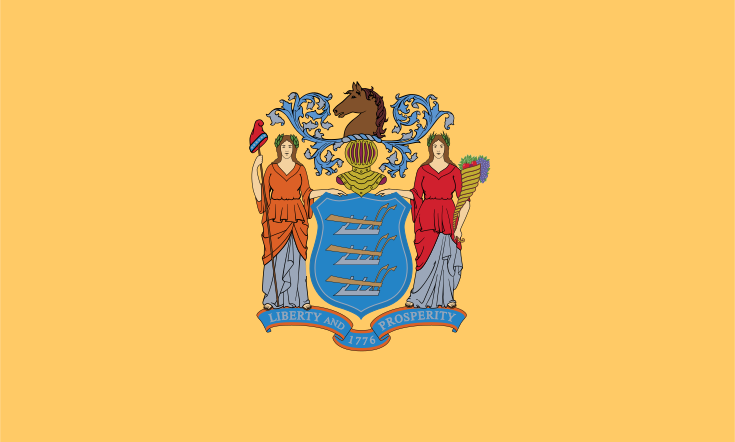
Type New into the search box. Which four state cards remain?
Answer: New Hampshire, New Jersey, New Mexico and New York remain. The search matches the state names, not the design features.
Compare Kansas and Montana. Where is each large state name relative to the seal?
Answer: Kansas is written below its seal and Montana above its seal. Both have blue backgrounds, so the lettering position gives a useful extra distinction.
Find Ohio. What can you identify before inspecting any small symbols?
Answer: Its outline has a swallow-tailed cut rather than a normal rectangular free edge. The pennant-like outline is a strong first clue.
Compare Arizona and Colorado. Which has rays, and which has a letter?
Answer: Arizona has red and yellow rays above a blue lower half. Colorado has a red C around a gold disc on horizontal blue and white bands.
Frequently asked questions
Can I search for blue flags?
Not by entering blue in this gallery: the search filters state names. Clear the search and inspect the cards to build your own group of blue-background flags.
Why do several flags look alike?
Many use a detailed seal or coat of arms against a blue field. Compare any readable state name, the central emblem's outline and large extra objects rather than relying on the background.
Does a symbol always tell me what a flag means?
No. You can identify a visible shape without knowing its intended meaning. Check a state source before describing symbolism, and do not transfer one state's explanation to another.
Can the gallery help me find a state on a map?
The cards give names and pictures, not state positions. Use the linked US states map to connect a selected name with its location in the United States.
Why might an older book show another Utah or Minnesota flag?
Both states brought new flags into use in 2024. The gallery files checked here show the newer designs; compare a book's publication date with an official state reference before assuming either picture was copied incorrectly.
Keep exploring
Sources for further reading
- Alaska State Library — Benny Benson flag design, 1927
- Maryland State Archives — Maryland State Flag
- New Mexico Secretary of State — State Flag
- Mississippi Secretary of State — 2021 Magnolia State guide
- Utah Online Public Library — Flag
- Minnesota Secretary of State — State Flag
- Ohio Department of Health — State Flag of Ohio